Karma for Cara Foundation microgrant recipients have competed in an application process alongside other young people who have spearheaded exceptional service projects that benefit their communities. In order to qualify for a K4C award, an applicant must be 18 years of age or younger, and the project must take place in the US.
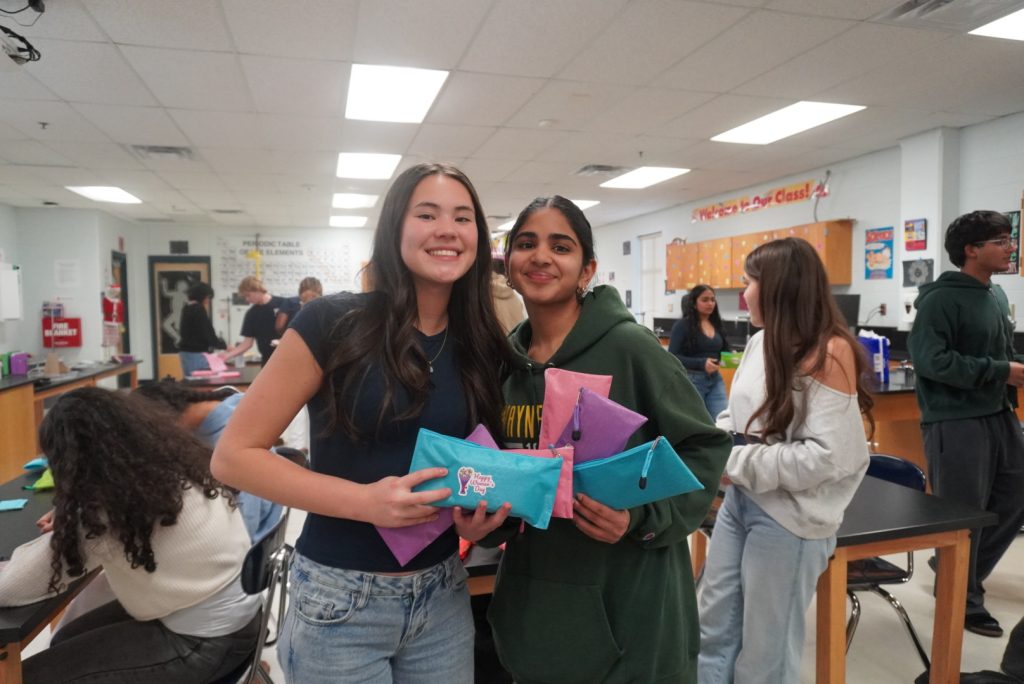
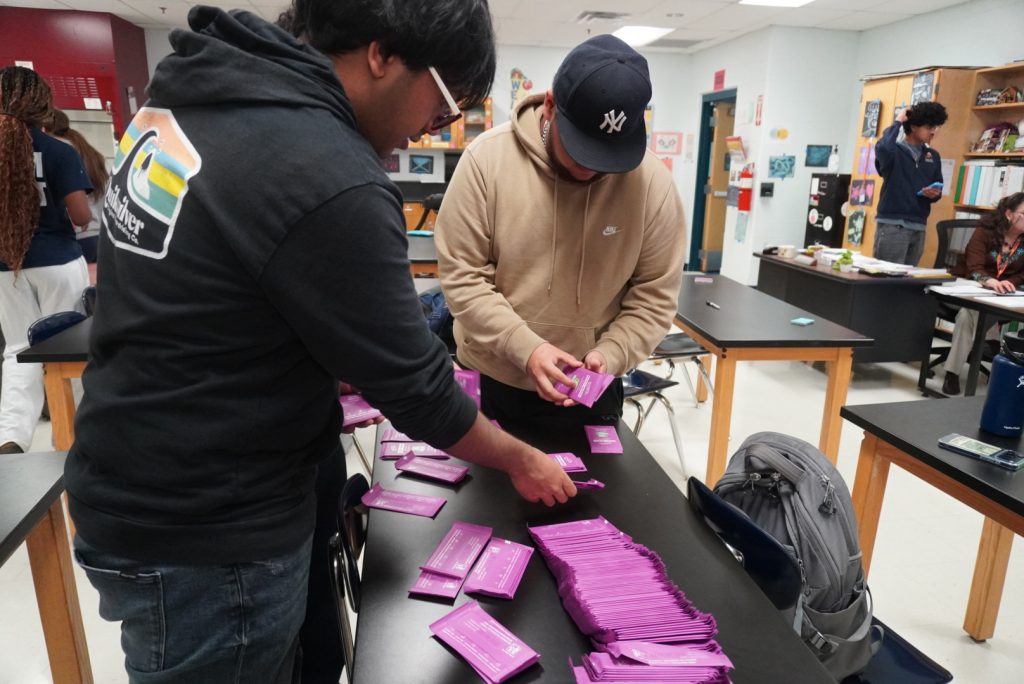
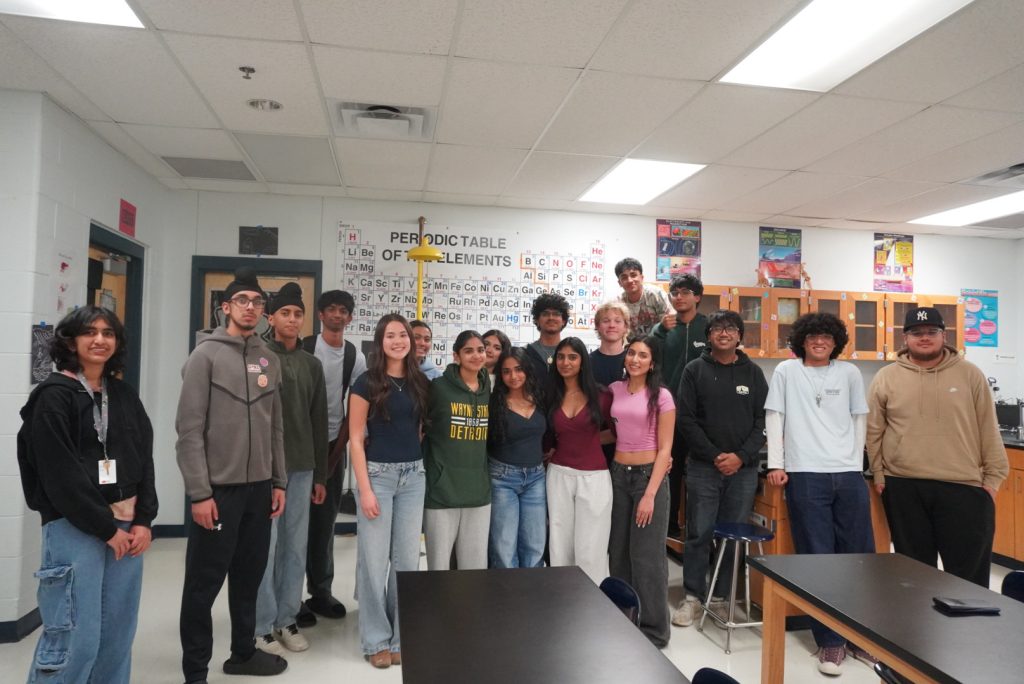
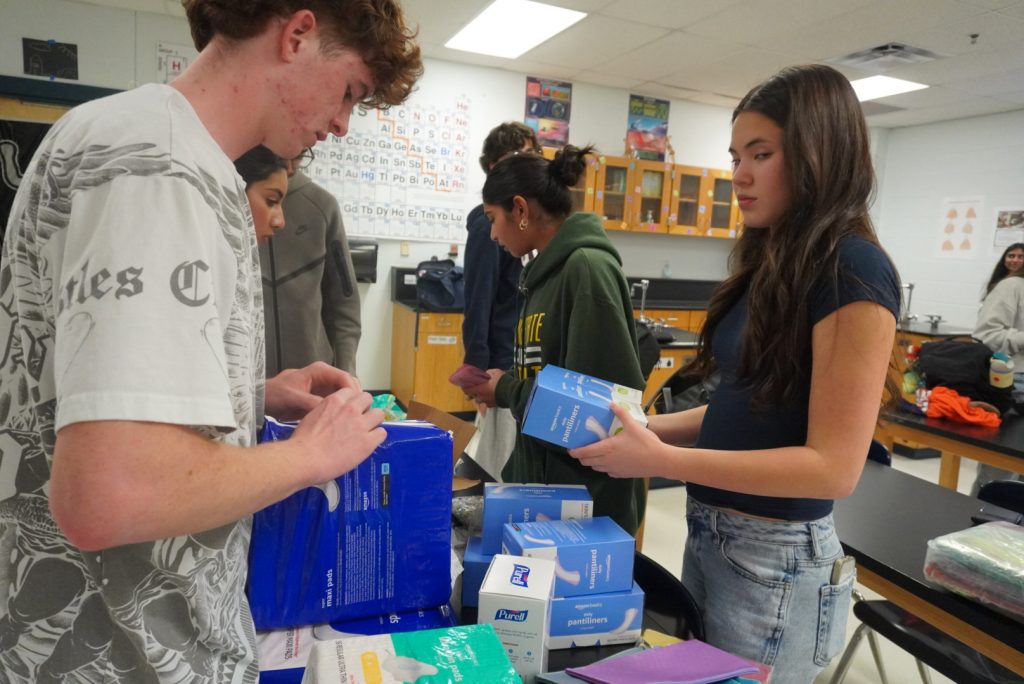
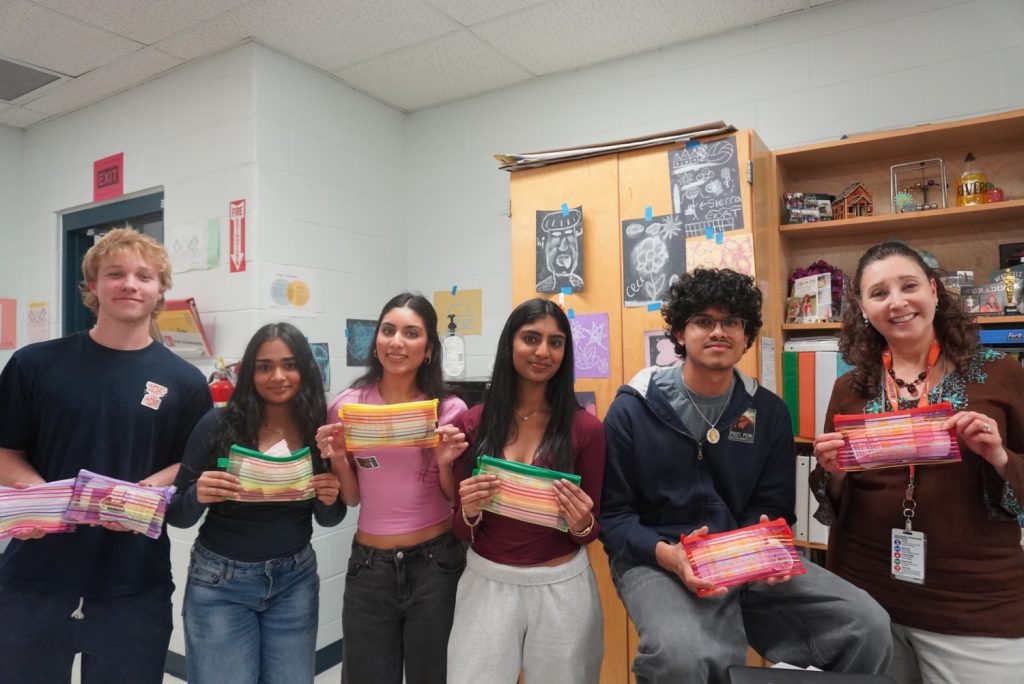
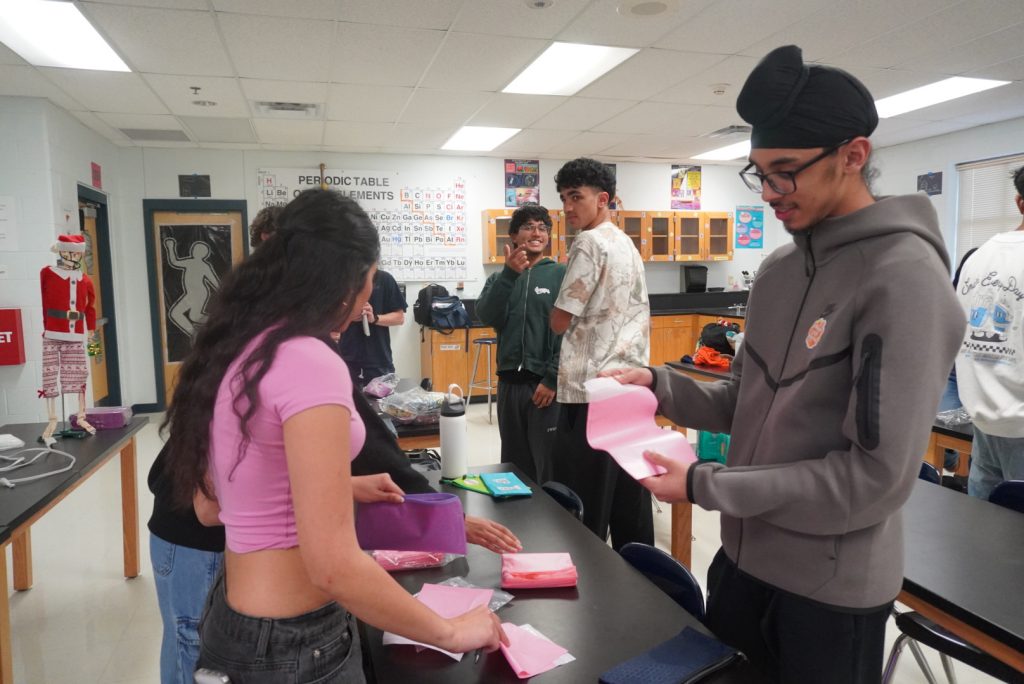
Co-founder of the student-led nonprofit, Cycles for Change, microgrant recipient Anvi (17, from TX) and her team work to end period poverty by encouraging schools and districts to incorporate menstrual products into their annual operating budgets, just as they do with other essential health and hygiene supplies. Their advocacy includes meeting with school administrators and presenting data on the educational impact of menstrual inequity. The team also looks to provide support for the schools which are not able to have the on-going funding of such products by installing dispensers made by their very own Cycles for Change team. The team also conducts awareness campaigns that engage community members. Those initiatives work to normalize conversations around menstruation and eradicate the social stigma surrounding menstrual cycles. Cycles for Change used their K4C microgrant to host a menstrual kit making event which involved youth and ultimately provided peers in need with products.
| What inspired you to start this project? | While going to a small school my entire life, I never had access to the products which are necessary in every young girls growing period. I would often resort to using tissue paper or just going home because I was too embarrassed to ask for help. At one point my attendance was becoming a problem. I was falling behind in classes due to such a natural process every girl’s body goes through. This is when I realized that having access to these menstrual products is not an option but rather a right. Girls should not feel embarrassed about a topic which they cannot control and they should be able to ask for help especially when there are health concerns and it is affecting their education. That is when I started my project of working towards raising awareness for menstrual equity and providing these products in nearby schools. |
| While working on your project, what surprised you? | The thing about by project that took me by surprise was how many girls have experienced the same issue as me and there is still such a prevalent problem. I also did not expect this project to be emotional for some. After coming into contact with girls and families, it becomes more than “just a donation”. It becomes a change that has been prolonged for too long. Another surprise was how complicated the logistics are compared to the idea itself, because making kits is simple, but getting them stored, distributed, approved, and maintained takes real planning. And finally, I didn’t think something as small as one dispenser could have such a huge impact, but it really becomes a safety net for students and can instantly change someone’s day. |
| What do you feel you learned from this experience? | From this experience, I learned that creating meaningful change goes beyond having a good idea. Receiving the Karma for Cara grant taught me how to responsibly manage funding, make intentional decisions about where resources are most needed, and measure impact. I also learned the importance of community support and partnerships in sustaining service initiatives, and how small amounts of funding, when used thoughtfully, can make a real difference in addressing a public health issue like period poverty. |
| How did Karma for Cara impact your project? | Karma for Cara had a significant impact on our project by providing the financial support needed to turn ideas into action. The grant allowed us to expand Cycles for Change beyond awareness into tangible impact by purchasing menstrual products, creating preparedness kits, and allowing us to build new dispensers. Beyond funding, the grant validated our mission and motivated us to scale our work and view Cycles for Change as a sustainable, student-led public health initiative rather than a one-time project. |
| How will your project continue to impact others? | Cycles for Change will continue to impact others by creating sustainable, long-term solutions to menstrual inequity rather than one-time interventions. Through ongoing education and dispensers, the project will ensure continued access to menstrual products while normalizing conversations around menstrual health. By empowering students to participate in advocacy and peer-led action, Cycles for Change will maintain community awareness and inspire future involvement in menstrual equity efforts. |