Karma for Cara Foundation microgrant recipients have competed in an application process alongside other young people who have spearheaded exceptional service projects that benefit their communities. In order to qualify for a K4C award, an applicant must be 18 years of age or younger, and the project must take place in the US.
Microgrant recipient Yixuan (16, MA) is helping young people build confidence through She Builds The Future (SBTF), a youth-led nonprofit focused on personal safety, health and self-confidence. With support from a K4C microgrant, Yixuan and team distributed educational booklets and hosted discussion-based workshops to help students feel informed, prepared & empowered to make confident decisions. Their goal? To reach at least 300 students with practical resources and create supportive spaces where every young person feels heard.
| What inspired you to start this project? | I started Her Safety Guide through She Builds The Future because I wanted girls and young women to have access to practical safety information before they ever found themselves in a situation where they needed it. I noticed that conversations about women’s safety often focus on what girls should avoid, rather than what they can actually do. How can you recognize a potentially unsafe situation? What should you do if you feel uncomfortable traveling alone? How can you use your phone in an emergency? And where can you turn for support if something has already happened? I wanted to bring these answers together in a free, approachable resource that girls could keep and revisit whenever they needed it. Our 28-page guide covers everyday awareness, travel safety, emergency preparedness, personal boundaries, self-defense, and resources for seeking help. I also wanted to create something that felt reassuring rather than frightening. The goal wasn’t to make girls constantly worry about their safety, but to help them feel more prepared, informed, and confident in their everyday lives. |
| What do you feel you learned from this experience? | I learned that creating an educational resource isn’t just about gathering accurate information. It’s also about understanding how someone might feel when they read it. |
| How did Karma for Cara impact your project? | Karma for Cara’s $1,000 microgrant was an important source of support for our Her Safety Guide initiative. As a student-led nonprofit, She Builds The Future has ambitious ideas but limited financial resources, especially when it comes to turning educational materials into physical resources that can be shared with the community. The grant supported our efforts to make personal safety education accessible and free. Rather than limiting the project to an online document, we were able to work toward reaching girls and young women through printed guides, community outreach, and local library partnerships. Beyond the financial assistance, receiving the grant was incredibly encouraging. It showed me that an organization believed in a project led by young people and was willing to invest in its potential. That support motivated me to continue reaching out to libraries, sharing our resources at community events, and thinking about how we could expand our educational impact. It made the project feel less like an idea I was developing on my own and more like something that could reach and benefit an entire community. |
| How will your project continue to impact others? | I hope Her Safety Guide will continue helping girls and young women long after our initial distribution efforts. Unlike a one-time event, a printed guide can remain available on library shelves, be passed between friends, or be revisited whenever someone has questions or needs support. We have already established relationships with public libraries and community organizations, and I hope to expand these partnerships so more people can access the guide for free. We also plan to continue connecting the written material with educational workshops that give participants opportunities to learn, ask questions, and practice safety skills. I hope the guide can also encourage conversations that people sometimes hesitate to start, particularly around personal boundaries, seeking help, and responding to uncomfortable situations. I know a single booklet cannot prevent every dangerous situation or solve the larger issues affecting women’s safety. But if someone learns how to activate an emergency feature on their phone, recognizes that they have options, or finds a support resource they didn’t previously know existed, that is meaningful progress. Ultimately, I want this project to continue giving people practical knowledge and reminding them that they don’t have to navigate difficult situations alone. |
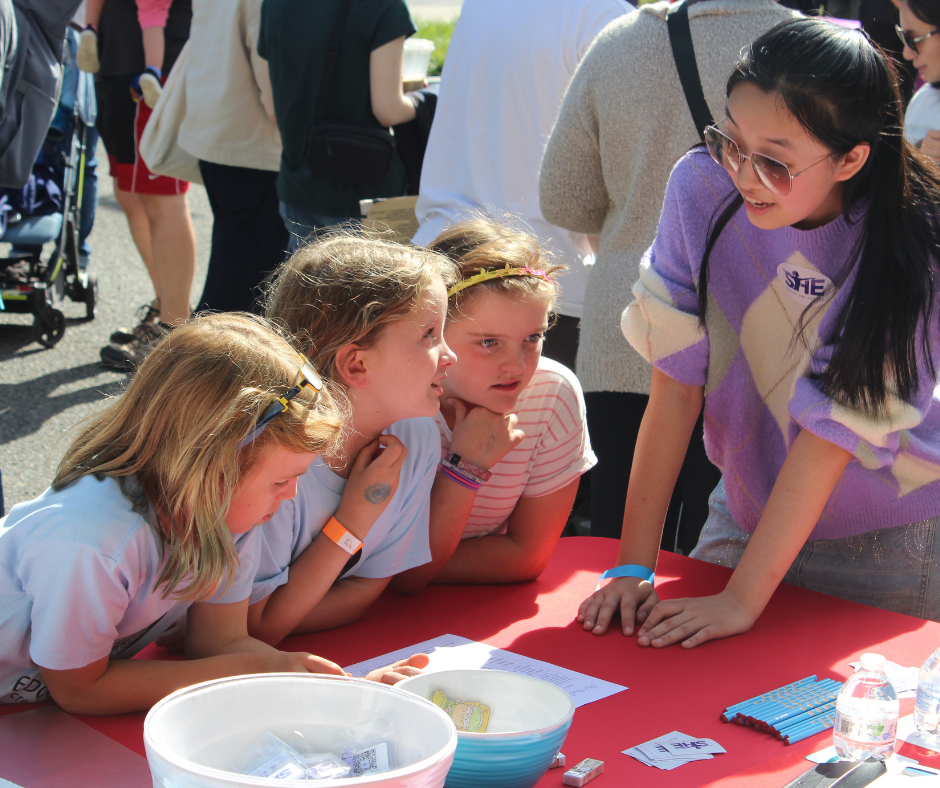
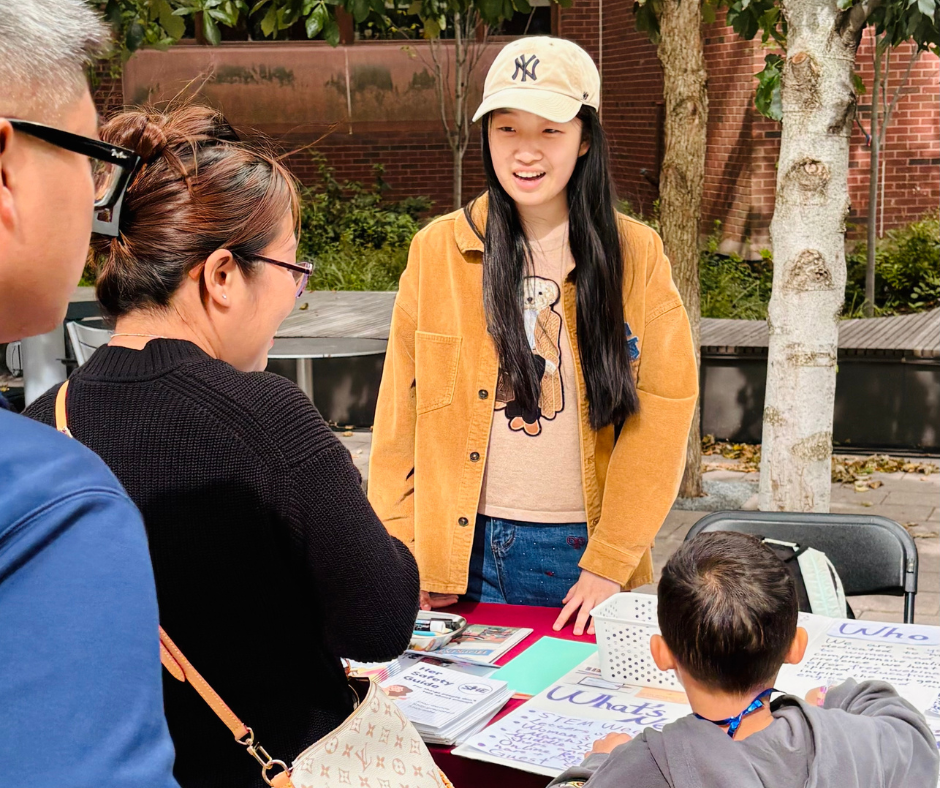
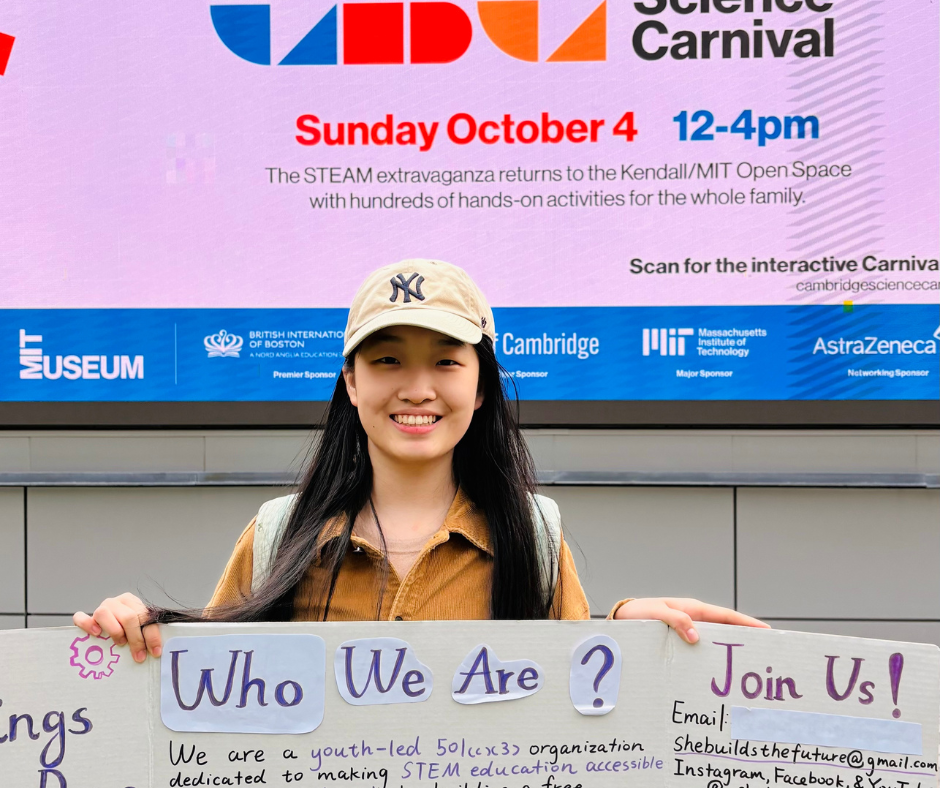
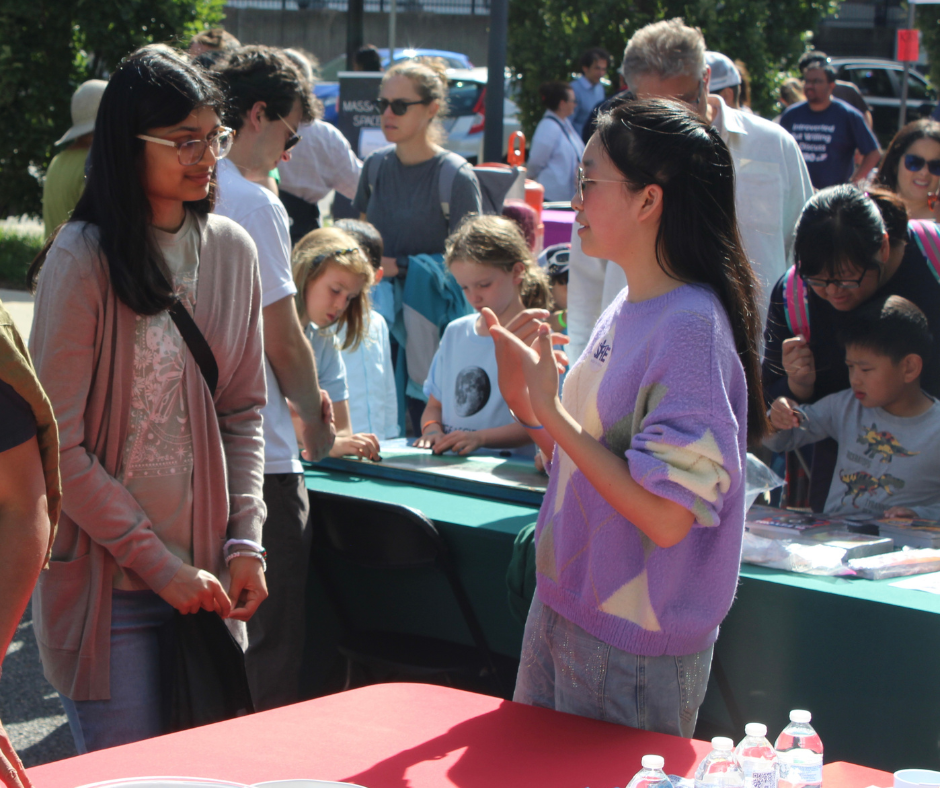
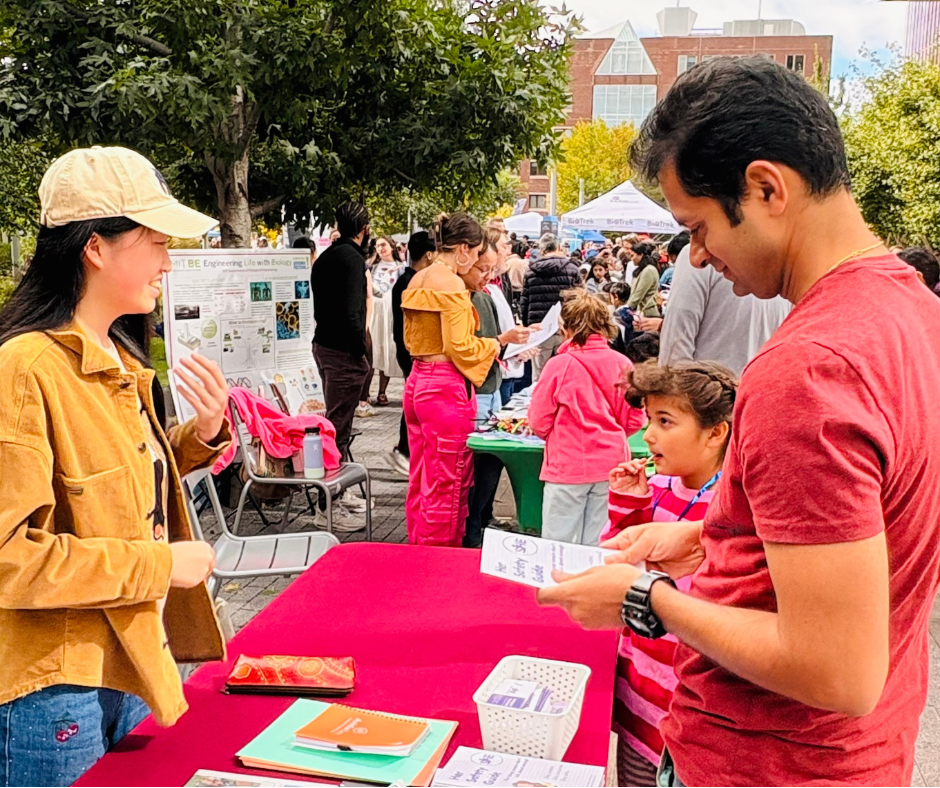
| While working on your project, what surprised you? | What surprised me most was how warmly local libraries responded to the guide. When I first reached out, I was simply hoping they would accept a few copies. Instead, several libraries requested additional copies after reviewing the material, increasing their initial requests from five or ten to twenty-five or thirty. A librarian at Milford Public Library even emailed to ask whether she could recognize my contribution publicly. I hadn’t expected such an encouraging response. Another memorable moment happened at the Cambridge Science Carnival, where I distributed more than forty guides. An older man stopped by and shared stories about his difficult childhood and his frustrations with the way women were treated. Eventually, he asked me what he could actually do to help. I didn’t have a perfect answer, and that conversation stayed with me. I had originally imagined the guide as a resource primarily for girls and young women. I hadn’t fully anticipated how it could also encourage conversations across generations and motivate other community members to think about safety and support. |