Karma for Cara Foundation microgrant recipients have competed in an application process alongside other young people who have spearheaded exceptional service projects that benefit their communities. In order to qualify for a K4C award, an applicant must be 18 years of age or younger, and the project must take place in the US.
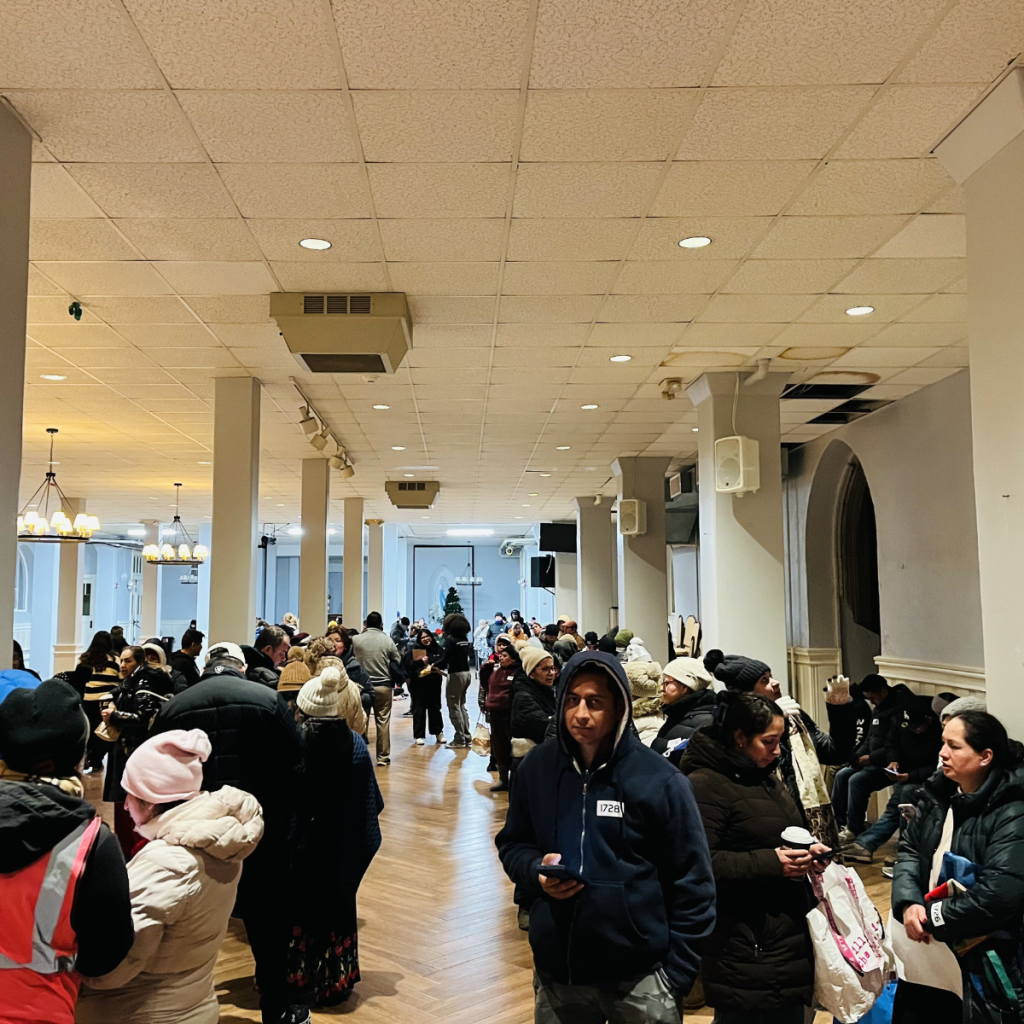
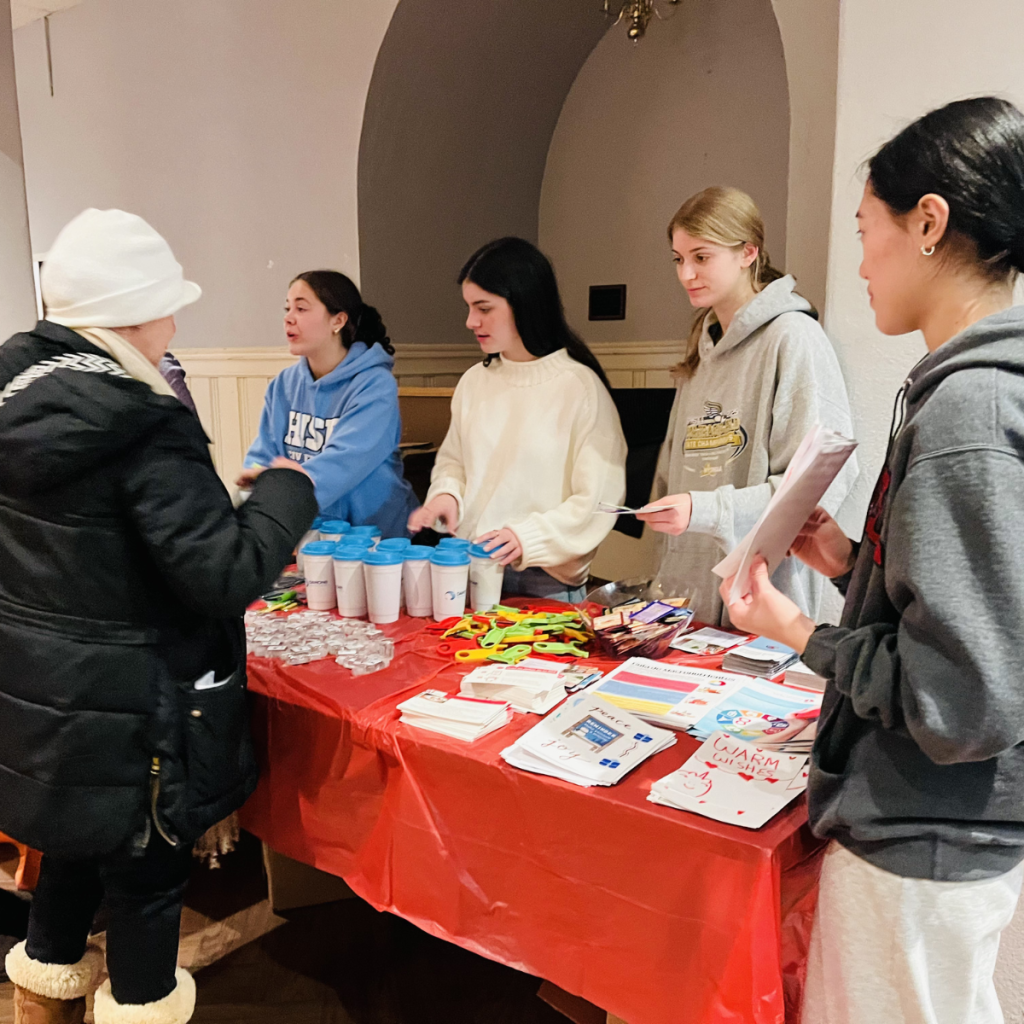
In partnership with the Filling in the Blanks Stamford Mobile Food Pantry which serves 450–500 attendees monthly, K4C microgrant recipient Alina (16 from CT) and team will assembled and distributed Community Wellness Kits during a food distribution event. Each kit was thoughtfully curated to promote cardiovascular health and emotional well-being through a combination of practical, educational, and sensory tools. Alina is Founder & President of the nonprofit Guardians of the Heart.
| What inspired you to start this project? | When previously distributing nutrition referrals and lifestyle medicine resources to families at the Filling in the Blanks food pantry, what struck me wasn’t just their gratitude, but their curiosity. Parents began asking me questions about meal prep, heart-healthy cooking, and how to make sense of labels or ingredients. It became clear that while food pantries filled a critical gap, they didn’t address the how: how to cook nutritiously, how to manage stress, how to prevent disease with small, sustainable changes. We often tell people to “eat better” or “reduce stress” without acknowledging the tools, resources, and support systems required to make those changes possible. Awareness without access can feel discouraging rather than empowering. At the same time, heart disease remains the leading cause of death in the United States and globally, despite the fact that up to 80% of cases are preventable through lifestyle modifications. This is not an abstract statistic for me. Heart disease runs in my family, and I already have peers my age managing high cholesterol or high blood pressure. Prevention cannot be something we postpone until adulthood; it must start early and be supported intentionally. We must be proactive, not reactive. To that end, I wanted to create a program that went beyond sharing knowledge to truly equip families with the tools to act on that knowledge. I can’t go back and change health outcomes. But I can learn. I can act. I can share. And I can help ensure the same gaps don’t continue unaddressed. |
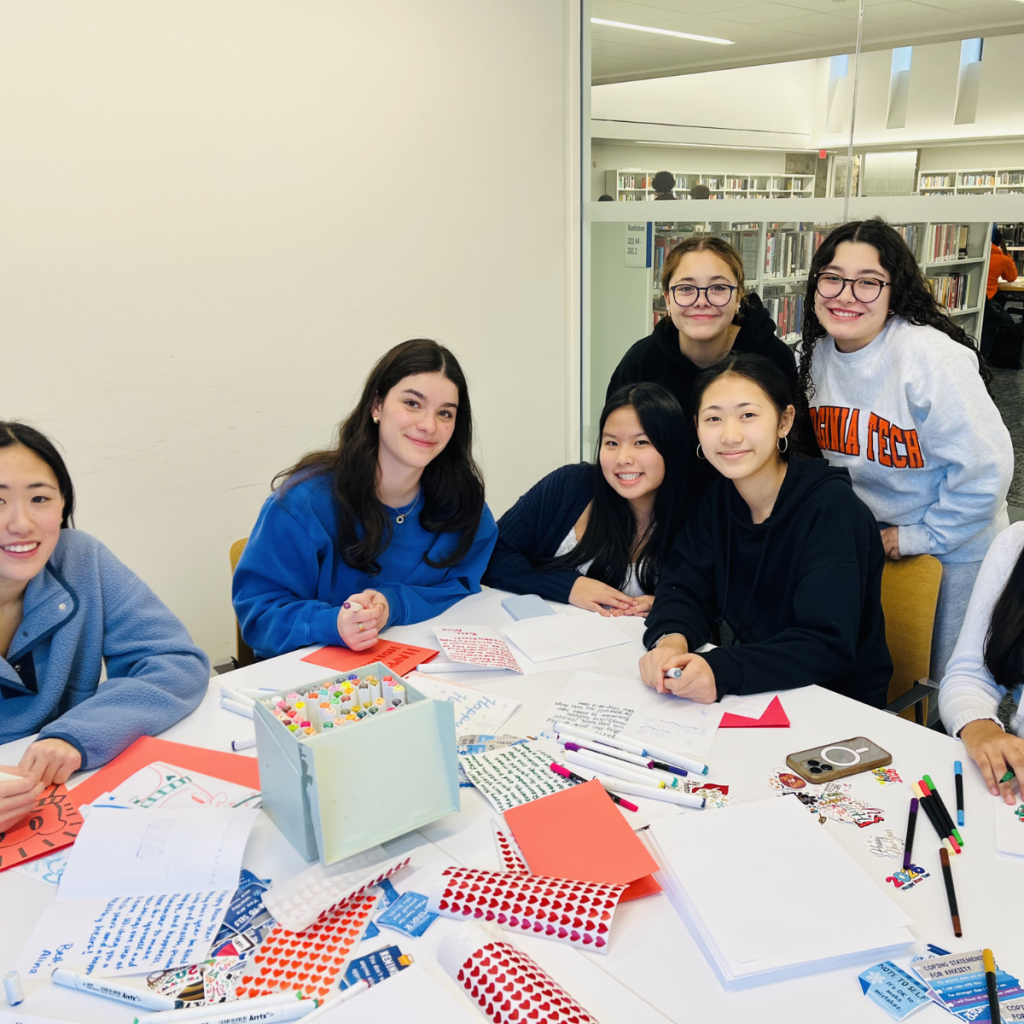
| While working on your project, what surprised you? | What surprised me most was the depth of commitment and sense of ownership shown by the students involved. This project required early mornings, long planning sessions, and a level of logistical coordination that went far beyond what is typically expected of high school volunteers. Yet people consistently showed up, sometimes traveling across towns to help organize supplies or attend card-making sessions, other times waking up before sunrise on a Saturday to set up the pantry. No one was asked to do this; they chose to. During planning meetings, I watched as students approached the work with deliberate intention and intentional deliberation. Conversations weren’t surface-level or performative. People debated distribution models, thought carefully about dignity and accessibility, and asked how to avoid overwhelming attendees while still offering meaningful choice. The final pantry structure came directly from this collaborative problem-solving. I was also surprised by how empowering the experience felt for everyone involved. Students weren’t just “helping”; they were building something. Seeing peers confidently explain heart-health resources, assist families through the pantry flow, or engage attendees in thoughtful conversations about wellness challenged the assumption that young people lack capacity or seriousness. Most importantly, it challenged the assumption and misconception that heart disease and its prevention is an “adult issue.” This experience ultimately demonstrated that people, especially youth, are often far more willing to invest time and energy into their communities than we give them credit for. When given responsibility and trust, they rise to meet it. Together. |
| What do you feel you learned from this experience? | This project taught me a lot about foresight and adaptability, while also developing my organization and leadership skills. Coordinating volunteers, communicating with partner organizations and companies, managing inventory, planning distribution flow, and adapting in real time required a level of decisiveness and accountability greater than any of my previous projects or initiatives. Leading this effort taught me to actively listen, and not just hear, the needs and perspectives around me. One of the most meaningful lessons was reinforced by feedback we received after the pantry. In the post-survey we administered, an attendee shared that they tried the heart-healthy recipes on the recipe cards and felt encouraged and more aware of the importance of eating healthy. That made me realize people are willing to try, and they just need something that feels realistic and achievable, which is where we step in. That’s why this project matters, it meets people where they are, not where we assume they should be. More than anything, I came to appreciate the idea that leadership isn’t something we grow into, it’s something we already hold. We just need institutions to trust us enough to use it. Youth are the future. We will be inheriting the various challenges of our current society. We must therefore envision the kind of future we want to live in and take action to make that a reality, and that reality starts now, because taking care of the community is an ongoing, shared responsibility. Change itself is a shared responsibility. |
| How did Karma for Cara impact your project? | The Karma for Cara microgrant was instrumental in moving this project from concept to implementation. It provided the initial momentum needed to purchase supplies, coordinate logistics, and bring credibility to the project when reaching out to partners and community organizations. Without this initial investment, the project would have faced significant barriers in launching effectively and reaching those it was designed to serve. Beyond the financial aspect, Karma for Cara’s mission to empower young people to take initiative and address unmet needs in their communities aligned closely with the heart of this project. Our goal was never charity for its own sake, but empowerment: equipping individuals with practical tools, knowledge, and support to make healthier choices on their own terms. Karma for Cara’s trust in youth leadership reinforced the belief that young people are not just capable of identifying problems, but of designing thoughtful, effective, and impactful solutions. The grant also helped address gaps that often go overlooked. By supporting a wellness-focused pantry model, it allowed us to bridge food access with health education, mental wellness, and preventive care, areas that disproportionately affect underserved communities. It validated the idea that small, targeted investments can have outsized effects when they are community-informed and intentionally designed. In many ways, Karma for Cara funded materials, but more importantly, it affirmed a mindset that meaningful change often starts locally, led by people who care deeply and are willing to act. That affirmation mattered just as much as the resources themselves. |
| How will your project continue to impact others? | The impact of this project extends beyond the single day of distribution. By pairing wellness tools with education and conversation, the pantry encourages habits that can last long after the items are used, whether that’s cooking more confidently, managing stress more intentionally, or thinking differently about heart health. Small, repeated behaviors are often what shape long-term outcomes, and this project was designed to support exactly that. We have also built a strong foundation for future work. Partnerships with organizations such as the American Heart Association, Danone North America, Northwell, and White Plains Hospital create opportunities to sustain and expand this model. With continued funding or donations, the wellness pantry can be replicated or reintroduced, adapting to community needs over time. Because Filling in the Blanks already serves families consistently, this model can be integrated whenever resources allow. Equally important is the impact on the students involved. Everyone who volunteered carries forward a shared memory of collaboration, service, and responsibility. They’ve seen firsthand that health equity is not abstract. It’s shaped by access, design, and empathy. That perspective will influence how they live and lead in their future communities. We also have documented the process so others can replicate it elsewhere. If this model can be adapted by other schools, organizations, or student groups, its reach multiplies. Ultimately, the project’s legacy lies in its ripple effects: habits changed, conversations started, and potential lives saved—a reminder of what happens when we invest in communities to help them thrive, not just survive. |